Selecting the correct PCB protection method is one of the most critical decisions in electronics design and manufacturing. Printed circuit boards operate in increasingly harsh environments, including humidity, dust, vibration, chemicals, and temperature extremes. Without protection, these factors lead to corrosion, short circuits, and premature failure. Three dominant technologies are used across industries to protect electronics: conformal coating, potting (also known as encapsulation), and nano coating. Each approach offers different levels of environmental protection, mechanical strength, cost, and serviceability. This guide provides a detailed comparison of conformal coating vs potting vs nano coating, including similarities, differences, application methods, materials, and real-world use cases. It is designed to help engineers, manufacturers, and procurement teams choose the best solution based on performance requirements and environmental conditions.
What is Conformal Coating?
Conformal coating is a thin film (typically 25–75 μm) applied to a PCB that conforms to the shape of its components. It protects against moisture, contaminants, and corrosion without significantly affecting weight, size, or performance. It is widely used in automotive, aerospace, and consumer electronics.
Types of Conformal Coating Materials
- Acrylic coatings – cost-effective and easy to rework
- Silicone coatings – excellent high-temperature performance
- Polyurethane coatings – strong chemical resistance
- Epoxy coatings – superior durability but limited repairability
- Parylene coatings – vapour-deposited ultra-thin coatings for high reliability
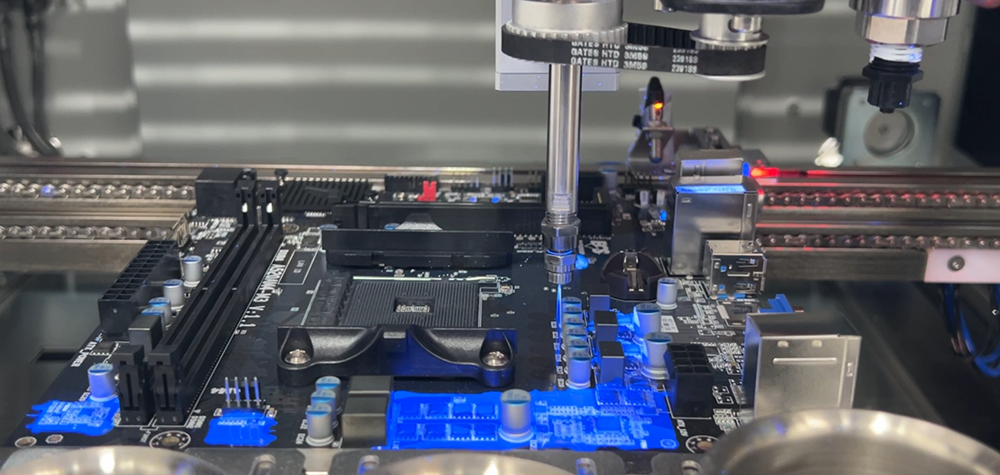
Conformal coatings are typically applied using spray coating, dip coating, or selective automated coating systems. Masking is often required to protect connectors and contact points. After application, coatings cure through heat, UV light, or air-dried depending on the material.
Benefits of Conformal Coating
- Lightweight and thin protection
- Protects against moisture, dust, and corrosion
- Reworkable and repairable
- Low-cost solution for large-scale production
Limitations of Conformal Coating
- Limited mechanical and impact protection
- May require masking during application
- Process can be time-consuming
What is Potting (Encapsulation)?
Potting involves fully enclosing a PCB inside a resin compound that cures into a solid block. This creates a strong physical barrier that protects electronics from extreme environments. Potting is commonly used in automotive modules, industrial devices, and outdoor electronics.
Types of Potting Materials
- Epoxy resins – rigid, highly durable, excellent chemical resistance
- Silicone potting compounds – flexible and ideal for temperature fluctuations
- Polyurethane potting compounds – balance of flexibility and protection
Potting is performed by placing a PCB inside a housing and pouring liquid resin over the assembly. The material fills all voids before curing into a solid mass. This process may require controlled curing temperatures and careful design to avoid trapping heat or air bubbles.
Benefits of Potting
- Maximum protection against moisture and chemicals
- Excellent vibration and shock resistance
- Improves electrical insulation
- Ideal for harsh environments
Limitations of Potting
- Adds weight and bulk
- Not easily repairable
- Higher cost and longer curing times
What is Nano Coating?
Nano coating is an advanced protective solution that uses ultra-thin layers applied at the molecular or nanometre scale. These coatings form a hydrophobic barrier that repels water and prevents corrosion while maintaining full electrical functionality.
Types of Nano Coatings
- Fluoropolymer nano coatings – strong water repellency and durability
- Organosilicon nano coatings – high flexibility and corrosion resistance
- Plasma-deposited coatings – highly uniform coverage at nano scale
How Nano Coating is Applied
Nano coatings are typically applied via dipping, spraying, or advanced deposition processes. Many systems require minimal masking and can be applied quickly. The coating bonds at a microscopic level, creating invisible protection across all surfaces.
Benefits of Nano Coating
- Extremely thin and lightweight (nanometre level)
- Hydrophobic barrier repels water
- Fast and simple application
- Does not impact connectors or performance
- Suitable for modern compact electronics
Limitations of Nano Coating
- Less mechanical protection than potting
- Higher material costs in some cases
Similarities Between Conformal Coating, Potting, and Nano Coating
Despite their differences, all three technologies share a common goal: protecting electronic assemblies from environmental damage.
- All provide moisture and corrosion protection
- All improve product reliability and lifespan
- All act as dielectric barriers to prevent short circuits
- All can be tailored to specific operating environments
- All are widely used across automotive, aerospace, industrial, and consumer markets
Key Differences Between Conformal Coating, Potting, and Nano Coating
The primary differences between conformal coating, potting, and nano coating lie in thickness, protection level, cost, and serviceability. Conformal coatings are thin and flexible, potting is thick and rigid, while nano coatings are ultra-thin and lightweight. Potting offers the highest mechanical protection, whereas nano coatings excel in minimal design impact. Conformal coating provides a balance between protection and reworkability.
Applications and Use Cases
Each technology is suited to different environments and industries. Conformal coatings are commonly used in telecommunications, automotive ECUs, and consumer electronics. Potting is preferred for harsh environments such as marine equipment, industrial automation, and aerospace systems. Nano coatings are increasingly used in IoT, wearable devices, and advanced electronics where size and weight are critical.
- Automotive electronics – vibration, heat, fluids
- Industrial equipment – dust, chemicals, harsh use
- Consumer electronics – compact, cost-sensitive
- Aerospace and defence – extreme reliability
- IoT and wearables – lightweight + waterproof
When Should You Use Each Solution?
Use Conformal Coating if:
- You need cost-effective protection
- The PCB requires testing or rework
- Space and weight are limited
Use Potting if:
- The device faces extreme conditions
- Shock, vibration, or submersion is expected
- Security (anti-tamper) is required
Use Nano Coating if:
- You need waterproofing without bulk
- You are designing compact IoT or wearable devices
- You are coating high volume and require fast production
Conclusion
There is no one-size-fits-all solution when comparing conformal coating vs potting vs nano coating. Each method provides unique advantages depending on the application. Conformal coating offers versatility and cost efficiency, potting delivers maximum durability, and nano coating represents a cutting-edge solution for next-generation electronics. Understanding your environmental requirements, budget, and design constraints is essential to selecting the optimal PCB protection method.
Want specific advice for your application? Get in touch and the team can let you know the best material for your requirements.
FAQ: Conformal Coating vs Potting vs Nano Coating
1. What is the difference between conformal coating, potting, and nano coating?
Conformal coating is a thin protective layer applied to circuit boards, potting fully encapsulates components in a solid material, and nano coating is an ultra-thin, molecular-level coating that provides water and corrosion resistance without altering component appearance.
2. When should I use conformal coating instead of potting?
Use conformal coating when you need protection from moisture, dust, and chemicals while maintaining easy inspection, rework, and repair of electronic components.
3. What advantages does potting offer over conformal coatings?
Potting provides superior protection against mechanical shock, vibration, complete waterproofing and extreme environmental conditions by encasing electronics in a solid compound.
4. Are nano coatings better than conformal coatings?
Nano coating is better for applications requiring invisible protection and lightweight coverage, but conformal coating offers thicker protection and better durability in harsher environments.
5. What industries use these coating technologies?
Automotive, aerospace, defence, electronics manufacturing, medical devices, telecommunications, and consumer electronics widely use these protection methods.
6. Does potting improve thermal management?
Yes, certain potting compounds are designed to dissipate heat effectively, helping protect components from overheating in high-performance applications.
7. Can conformal coatings be removed for repairs?
Yes, conformal coatings can often be selectively removed, making inspection and repair easier compared to potting.
8. Are nano coatings waterproof?
Nano coatings provide strong water resistance and hydrophobic properties, but may not offer complete waterproofing like potting.
9. What materials are used in conformal coatings?
Acrylics, silicones, urethanes, and epoxies are commonly used, each offering different levels of protection and flexibility.
10. What materials are used for potting compounds?
Epoxy, polyurethane, and silicone resins are the most common potting materials, selected based on strength and thermal performance.
11. How thick is a conformal coating?
Typically between 25 and 75 microns depending on the material and application.
12. How thin is a nano coating?
Nano coatings are extremely thin, often measured in nanometres to a few microns, making them virtually invisible.
13. Which option provides the best environmental protection?
Potting offers the highest level of protection, followed by conformal coating, then nano coating.
14. Are conformal coatings and potting electrically insulating?
Yes, both provide dielectric insulation to prevent short circuits and electrical failures.
15. How do I choose between these solutions?
The choice depends on protection level, repairability, weight, cost, and environmental exposure.
16. Is potting permanent?
Yes, potting is typically permanent and difficult to remove without damaging components.
17. Can nano coatings protect against corrosion?
Yes, nano coatings create a hydrophobic barrier that prevents moisture and corrosion.
18. Do these coatings impact device performance?
No, when applied correctly they protect electronics and extend lifespan without affecting performance.
``