Executive Summary
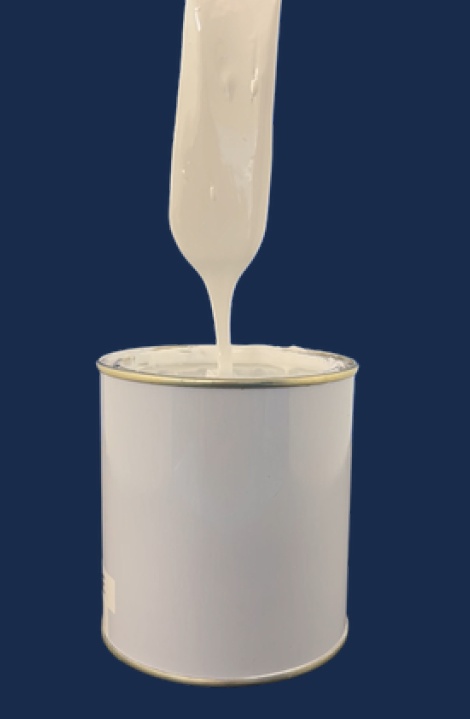
CCL/NEHTC is a non-silicone thermal grease specifically formulated for screen-printing applications. It is designed for use in power electronics and thermal management systems, including drives, inverters, and cooling-critical components such as Insulated Gate Bipolar Transistors (IGBTs).
The material is applied between semiconductor chips and the baseplate (or in some cases, between the baseplate and the heatsink) to enhance thermal conductivity by eliminating microscopic air gaps and ensuring efficient heat transfer.
A non-silicone thermal interface material (TIM) is critical for applications where silicone-based products are strictly prohibited. This ensures compliance and eliminates risks associated with silicone contamination or low molecular weight siloxane (LMW) migration.
CCL/NEHTC TIM is completely free of silicone, providing a reliable solution for sensitive electronic environments. Unlike silicone-based materials, it will not migrate onto electrical contacts, preventing issues such as increased contact resistance, electrical arcing, or mechanical wear. Additionally, soldering defects commonly caused by silicone contamination are fully avoided, ensuring consistent performance and long-term reliability.
Development Background
The project originated from a customer requirement for a thermal grease with a specific viscosity to replace a discontinued product (2021) in their production process. Our R&D team developed a series of thermal grease formulations with varying viscosities for evaluation.
Main Areas of Interest
- Filler particle size
- Printing performance
- Mounting and TIM bond-line formation
Initial Viscosity Testing (HTC 7.5%)
- 28,000 cP
- 33,520 cP
- 40,800 cP
All samples demonstrated good screen-printing performance, enabling uniform application with a roller and achieving a consistent layer thickness on the baseplate. The intermediate viscosity gave the best result for application and coverage.
Scanning Electron Microscope (SEM) analysis confirmed that the filler particles were small and uniformly distributed (<10 µm), which is critical for forming a thin, consistent bond line and optimising thermal performance.
During trials, the customer also assessed material consumption. The intermediate-viscosity formulation (33,520 cP) provided the closest match to the original product in terms of weight usage and overall performance.
Additional Viscosity Blend Evaluation
HTC 15% Testing
- 21,720 cP
- 17,600 cP
- 14,200 cP
This blend demonstrated successful performance when applied to MiniSKiiP® 2 and 3 IGBT power module families, MiniSKiiP shunt module, and Semipont DCB module.
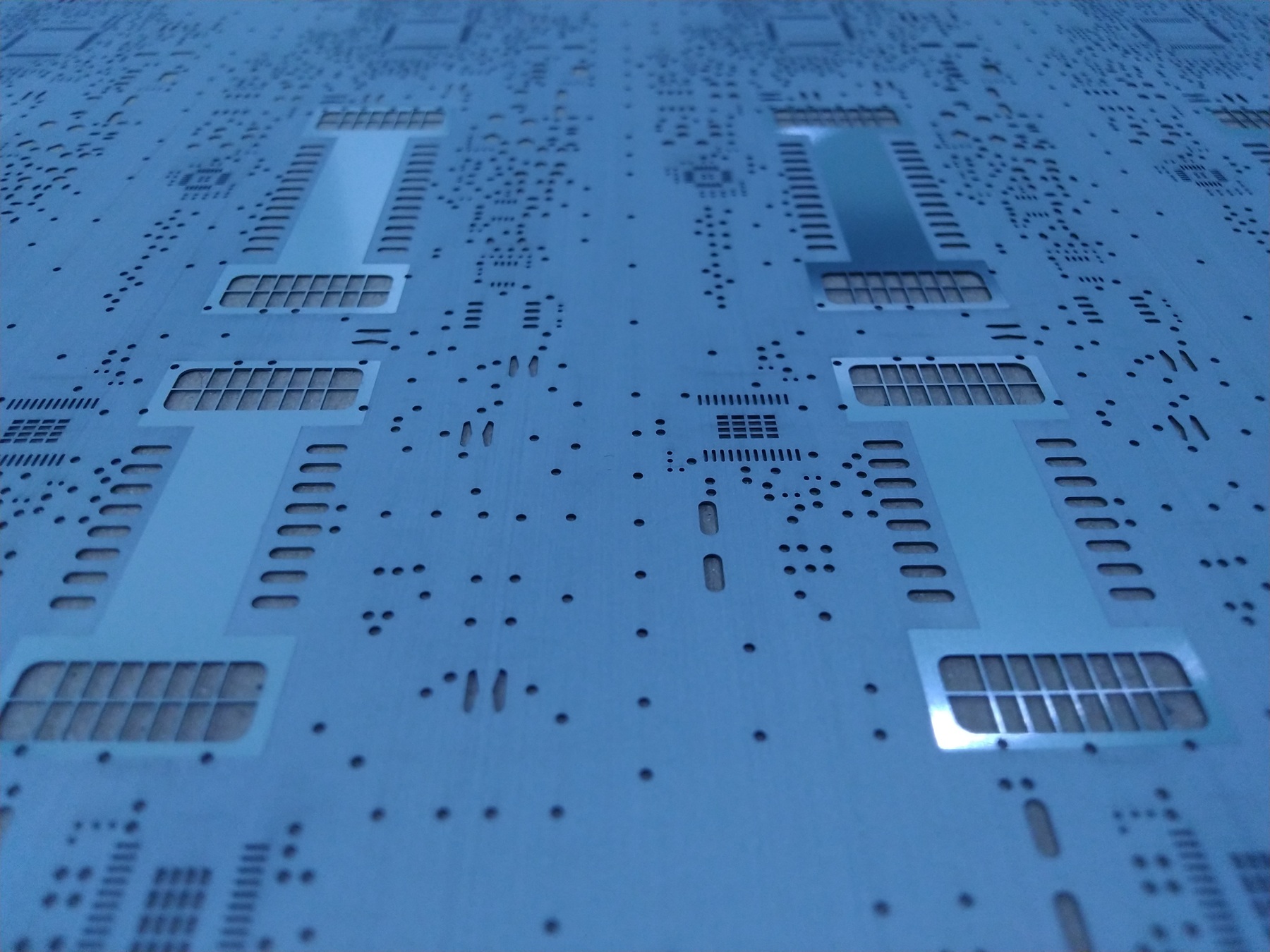
A successful stencil printing test confirmed that the material is suitable for its intended application. The TIM layer was evenly distributed across the baseplate. Lower and medium viscosity materials achieved the best results during stencil printing.
To complete the qualification process, an additional active load test was performed for 24 hours. After testing, all Devices Under Test (DUTs) were disassembled and inspected. Both sides of the thermal joint showed consistent homogeneity and appropriate TIM layer thickness.
Conclusion
The qualification process confirmed that the tested CCL/NEHTC Thermal Interface Material (TIM) meets the requirements for reliable application in power module assemblies. Stencil printing trials demonstrated uniform layer distribution across the baseplate, with lower and medium viscosity grades delivering the most consistent results.
Further validation through a 24-hour active load test showed no failures, and post-test inspections revealed homogeneous thermal joints with appropriate TIM thickness on both contact surfaces. These findings indicate that the material provides stable thermal performance under operational stress, ensuring long-term reliability and efficiency.
CCL/NEHTC offers a reliable, cost-effective solution for power module assemblies requiring stable thermal performance.
Disclaimer
The results presented in this document are based on tests conducted under controlled conditions using internal procedures. Performance may vary depending on specific application requirements, operating environments, and assembly methods. It is the responsibility of the customer to validate the material for their intended use and ensure compliance with relevant standards.